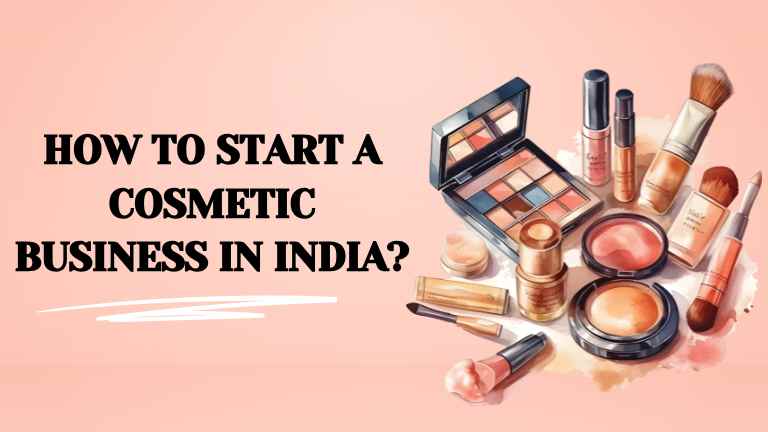
The cosmetic industry in India is growing fast. This growth is because people are becoming more aware of beauty products. They also have money to spend. As a result, many people want beauty and personal care products.
If you want to start a skincare brand bring in cosmetics from countries or create your own products under a private label, this guide will help you. It will explain the rules, operations and business side of starting a business in India.
Introduction to Cosmetic Business in India
India’s cosmetic industry is growing fast and has lots of opportunities for business owners. The market has types of products like skincare, makeup organic and herbal items.
To start a business in this field you need to follow laws, like the Drugs and Cosmetics Act, 1940 very carefully and related rules too.
What is Considered a Cosmetic?
A cosmetic is any product applied to the human body for:
- Cleansing
- Beautifying
- Enhancing appearance
Examples include:
- Creams
- Lotions
- Lipsticks
- Shampoos
- Perfumes
Even raw materials used in cosmetics are covered under the law.
Types of Cosmetic Business Models
You can choose from multiple business models:
Manufacturing
- Full control over product and branding
- Requires heavy investment and license
Import Business
- Import international brands
- Requires CDSCO approval
Wholesale Distribution
- Supply products in bulk
- Focus on logistics and supply chain
Retail Business (Online/Offline)
- Sell directly to customers
- Higher margins but requires marketing
Private Label
- Sell under your brand via third-party manufacturers
- Low investment, high scalability
Organic/Natural Cosmetics
- High demand segment
- May require additional certifications
Licenses Required for Cosmetic Business
Depending on your business type, the following licenses are required:
- Cosmetic Manufacturing License
- Cosmetic Import License
- GST Registration
- Shop & Establishment License
- Trademark Registration
Cosmetic Manufacturing License in India
If you plan to manufacture cosmetics, you must obtain a license from the State Licensing Authority.
Types of Licenses:
There are various licenses applicable on cosmetics business: Some are discussed herein:
Manufacturing License (Form 32)
- For own manufacturing unit
- Validity: 5 years
- Fee: ₹2,500 + inspection charges
Loan License (Form 32-A)
- For manufacturing using third-party facility
Testing License (Form 37)
- For cosmetic testing laboratories
Cosmetic Import License in India
If you want to import cosmetics:
- Apply in Form 42
- License issued in Form 43
- Validity: 3 years
Fees:
- USD 250 per brand
- USD 1000 per variant
Processing Time:
- 60-90 days
Documents Required to Apply for License
The following documents are required to apply for a license:
For Manufacturing:
- Site layout plan
- Machinery details
- Staff qualification proof
- Address proof
- NOC (if required)
For Import:
- Power of Attorney
- Free Sale Certificate
- Product details
- Label compliance
- Ingredient list
Step-by-Step Process to Start a Cosmetic Business
Step 1: Identify Your Niche
- Organic, herbal, luxury, or affordable segment
- Understand customer demand
Step 2: Register Your Business
Choose a structure:
- Proprietorship
- LLP
- Private Limited Company
Step 3: Obtain Licenses
- GST
- Trademark
- CDSCO (if applicable)
Step 4: Find Manufacturer/Supplier
- GMP-certified manufacturer
- Ensure product quality
Step 5: Product Testing
- Conduct trial runs
- Collect feedback
Step 6: Create Business Plan
- Define goals
- Budget planning
- Risk management
Step 7: Marketing Strategy
- Social media marketing
- Influencer promotions
- E-commerce platforms
Step 8: Scale the Business
- Expand product range
- Enter new markets
Business Registration Options
You can choose from:
- Sole Proprietorship (for small businesses)
- LLP (for flexibility and limited liability)
- Private Limited Company (for scalability and funding)
Marketing & Growth Strategies
To succeed in the cosmetic industry:
- Build a strong brand identity
- Focus on packaging & design
- Use Instagram & influencer marketing
- Sell on platforms like Amazon, Nykaa
- Maintain product quality
Conclusion
Starting a business in India is a good idea because it can bring in a lot of money. You need to plan everything and get all the necessary licenses and follow the rules to do it right.
The cosmetic business in India is a chance for people who want to start their own business. To make the business work you need to have good quality products and a good brand for the cosmetic business in India. This is what will make your cosmetic business successful, in India.
FAQs
Q1. Do I need a license to start a cosmetic business in India?
Yes, depending on your business model. Manufacturing and importing require licenses.
Q2. Can I start without a factory?
Yes, you can use third-party manufacturers (private label model).
Q3. Is GST required?
Yes, especially if turnover exceeds the prescribed limit or for online selling.
Q4. How long does it take to get an import license?
Getting an import license can take some time. It usually takes around 60 to 90 days.
Q5. What is the validity of licenses?
The licenses you get are not forever. A manufacturing license is good for 5 years. An import license is good for 3 years.
Q6. Is GMP certification mandatory?
If you are making cosmetics you need to get a GMP certification. This is like a quality check to make sure your products are good.
Q7. Do I need a license for selling online?
You do not need a license to sell cosmetics online. You do need to make sure the products you are selling are made or brought into the country legally.
Q8. How to protect my brand?
To protect your brand, you should get a Trademark Registration.
Q9. Can one license cover multiple products?
One license can cover products. There are some limits. For example: you can only have 10 items per category on one license.
Q10. What is the best business model for beginners?
If you are just starting out private labeling is a way to go. It is not too expensive. It is easy to do. This is the business model for beginners who want to start a cosmetic business, in India.
ALSO READ
Shark Tank India Season 4, Complete report on all deals
How to Raise Donations for a Section 8 Company
Form 145 and 146 Replace 15 CA and 15 CB from April 2026
Crowdfunding Rules for NGOS in India
Conversion of Private Limited Company into LLP, Process and Documents required