India’s Philanthropic landscape is growing and crowdfunding through digital platform has emerged as game changer for NGOs. Crowdfunding idea was originated in west by Kickstarter and Indiegogo and was transited to India by Indians trained and educated in west. In recent times, Crowdfunding has become one of the powerful tools to raise funds for social causes such as medical, education and charitable initiatives.
Crowdfunding is a mechanism for NGOs in India where small contributions are received by large number of individuals through digital platforms and it is a general practice of funding a charitable venture or project.
Crowdfunding allows small NGOs to connect directly with donors who care about specific causes like education, healthcare, or disaster relief.
India’s Philanthropic landscape saw a major shift between 2024 and 2026 in digital giving through UPI integration and growth of social media reach. Since then, crowdfunding has become a novel concept in India and the importance of understanding the Crowdfunding Rules for NGOS in India has gradually increased as nowadays, more NGOs are exploring digital platform to raise funds in a compliant, transparent and legally sustainable manner.
In this blog, we shall walk you through the legal landscape of crowdfunding, domestic and foreign crowdfunding rules, Social Stock Exchange & ZCZP Instruments and a compliance ready checklist so that you can focus on launching your digital campaign.
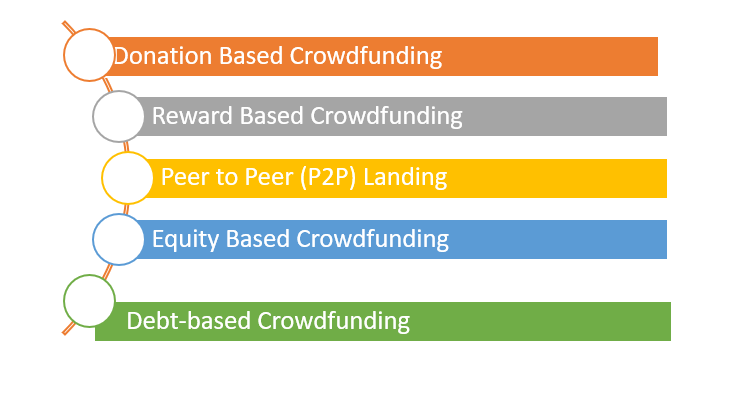
Types of Crowdfunding categorised by Indian Government
Before we actually dive into Crowdfunding Rules for NGOS in India, it is essential to understand the types of crowdfunding categorized by Indian government:
| Types of Crowdfunding | Explanation |
| Donation based crowdfunding | Donation based crowdfunding is one of the beneficial and legal form of crowdfunding in India where small contributions are collected from large number of individuals. In this case, individuals contribute towards social cause without any expectation of financial return. It is a viable option for small and mid-sized NGOs that enables to bypass traditional intermediaries and connect directly with actual donors in a cost-effective manner. |
| Reward Based crowdfunding | Reward Based crowdfunding is also one of the legal forms of crowdfunding in India where donors contribute funds in expectation of tangible gift or present either immediately or in future.This type of crowdfunding is suitable for innovative ventures and creative projects. It is treated as commercial transaction subject to GST norms. |
| Peer to Peer (P2P) Lending | Peer to Peer (P2P) Lending is a form of crowdfunding where an online platform that matches lenders with borrowers who pay back the principal with interest.Peer to Peer (P2P) Lending is strictly regulated by Reserve Bank of India under NBFC-P2P guidelines. |
| Equity-based Crowdfunding | Equity Based crowdfunding is a form of crowdfunding where capital is raised from the public in exchange for shares or equity in a company.It is highly restricted to be done through online platform. However, the Social Stock Exchange (SSE) now allows eligible NGOs to raise funds through Zero Coupon Zero Principal (ZCZP) instruments, which is a regulated form of social equity. |
| Debt-based Crowdfunding | Debt-based Crowdfunding is a form of crowdfunding where funds are raised by issuing debentures or debt instruments.It is regulated the Companies Act, 2013 and SEBI Regulations. It is recognised as legal form of crowdfunding and is valuable source of funding without any traditional banking process. |
Legal framework Governing Crowdfunding Rules for NGOS in India
There is no specific regulation or law in force as on date to govern specific crowdfunding activities for NGO In India. Instead, legal framework is created through multiple existing statutes and regulations to prevent misuse of funds, protect donors and ensure transparency.
The existing legal framework requires proper compliance of following Act and resolutions: –
- Foreign Contribution (Regulation) Act, 2010
- Income Tax Act, 1961
- Information Technology Act, 2000
- NGO Darpan (NITI Aayog portal)
- Social Stock Exchange framework, 2022
- Companies Act, 2013 (For Section 8 Companies)
The NGOs proposing to collect funds from domestic sources shall comply with all the rules and regulations prevailing in India depending on type of Crowdfunding. Let’s look at the general Compliances applicable for collecting funds from domestic sources: –
- KYC/AML/PML Act compliance for all participants and platforms.
- Data protection under Digital Personal Data Protection Act, 2023.
- No misleading advertisements or fraud (Consumer Protection Act, IPC provisions).
The NGOs proposing to collect funds from foreign sources shall comply with Foreign Contribution (Regulation) Act, 2010 (FCRA) and related rules such as: –
- Register under FCRA for regular/ongoing foreign contributions or apply for prior permission in case of one time funding.
- All foreign contributions must be received exclusively in a designated FCRA Account opened only at State Bank of India (SBI), New Delhi Main Branch (NDMB) (mandatory since 2021 amendments).
- Ensure funds are used only for stated objectives.
- Assets purchased with foreign funds must be in NGO’s name
- Receiving foreign funds in any other account is a violation of FCRA
In 2026, NGOs can legally collect crowdfunding but it is advisable to consult a professional for your specific NGO setup as rules governing crowdfunding shall continue to tighten up around foreign funds and compliance.
Top Crowdfunding Platforms for NGOs in India
The ecosystem of social crowdfunding is evolving in India and online platforms that enable NGOs raise funds efficiently from both domestic and international donors. The most trusted and widely used platforms are listed below:
- Ketto
- Milaap
- ImpactGuru
- GiveIndia
- FuelADream
- Donatekart
Due Diligence and Documentation Required: Crowdfunding Rules for NGOS in India
NGOs must undergo proper legal due diligence and documentation checks before launching a crowdfunding campaign.
- NGOs shall ensure of their valid legal existence having definite entity structure and possess Registration Certificate, PAN Card of the NGO, Certificate of Incorporation in case of Section 8 Companies), Memorandum & Articles / Trust Deed / Bye-laws, etc.
- NGOs shall possess 12A Registration, 80G Certificate, CSR Registration (Form CSR-1) and GST Registration (if applicable)
- NGOs shall possess FCRA Documentation to raise foreign crowdfunding.
- NGOs shall possess proper banking & financial Documents like Cancelled Cheque of NGO Bank Account, Bank Statement (last 6–12 months), details of Authorized Signatories, Board Resolution authorizing fundraising/crowdfunding.
- NGOs shall possess Governance and KYC documents like KYC of Trustees/Directors, list of Governing Body Members, declaration of No Criminal Record / Compliance Undertaking.
- NGOs shall make proper documentation of specific projects the organisation works on simultaneously. It includes Detailed Project Proposal, Budget Breakdown & Fund Utilization Plan, Timeline and Impact Assessment, beneficiary details (if applicable).
Best Practices to comply with Crowdfunding Rules for NGOS in India
- Clear and specific fundraising objective
- Full disclosure of NGO registration details
- Ensure FCRA compliance for foreign donations
- Use only designated bank account for funds
- Provide transparent fund utilization plan
- Maintain proper books and audit trail
- Share regular updates with donors
- Avoid misleading claims or content
- Issue receipts and maintain donor records
- Ensure timely statutory and regulatory filings
Penalties for Non-Compliance with Crowdfunding Rules for NGOS in India
- Heavy monetary fines for regulatory violations
- Cancellation or suspension of FCRA registration
- Prohibition on receiving foreign donations
- Seizure or confiscation of foreign funds
- Freezing of designated bank accounts
- Income Tax penalties and loss of exemptions (12A/80G)
- Blacklisting by crowdfunding platforms
- Legal action against trustees/directors
- Mandatory refund of improperly utilized funds
- Disqualification from CSR funding eligibility
- Damage to NGO credibility and donor trust
- Prosecution leading to imprisonment (in severe cases)
Conclusion: Crowdfunding Rules for NGOS in India
Nowadays, NGOs are utilizing the most powerful and accessible fundraising tool, i.e., Crowdfunding to reach a wider audience, mobilize resources quickly, and amplify their social impact. This fundraising tool can be used significantly with proper compliance with Crowdfunding Rules for NGOS in India.
NGOs shall maintain clear communication with donors and report accurately of fund utilisation to build and strengthen donor confidence and long-term credibility. NGOs shall ensure proper due diligence and record keeping of documents before launching any campaign. Even minor lapses are not allowed and it may lead to severe penalties, loss of registration, and reputational damage.
In essence, crowdfunding tool can become successful when NGO built trust, ensured transparency and operated within a strong legal framework. NGOs that combine compliance with compelling storytelling and responsible fund management are best positioned to create sustainable impact while staying on the right side of the law.
If you are running an NGO and want to raise funds through crowdfunding in compliance with Crowdfunding Rules for NGOS in India, contact us today and let us plan the entire fund raising legally for you.
ALSO READ
Section 8 company registration
Section 8 Company Tax Benefits in India Guide
Top 6 Non-Compliance Risks for Section 8 Companies
Change in Object Clause of a Section 8 Company